The process of executing fencing work requires an understanding of the types and uses of fences. Each type performs a specific function depending on the project. Implementing the fence installation process requires a number of steps to install it for the long term and maintain it periodically. To learn more about fencing work and installation, follow us in the following lines.
What are the most important uses of fencing work?
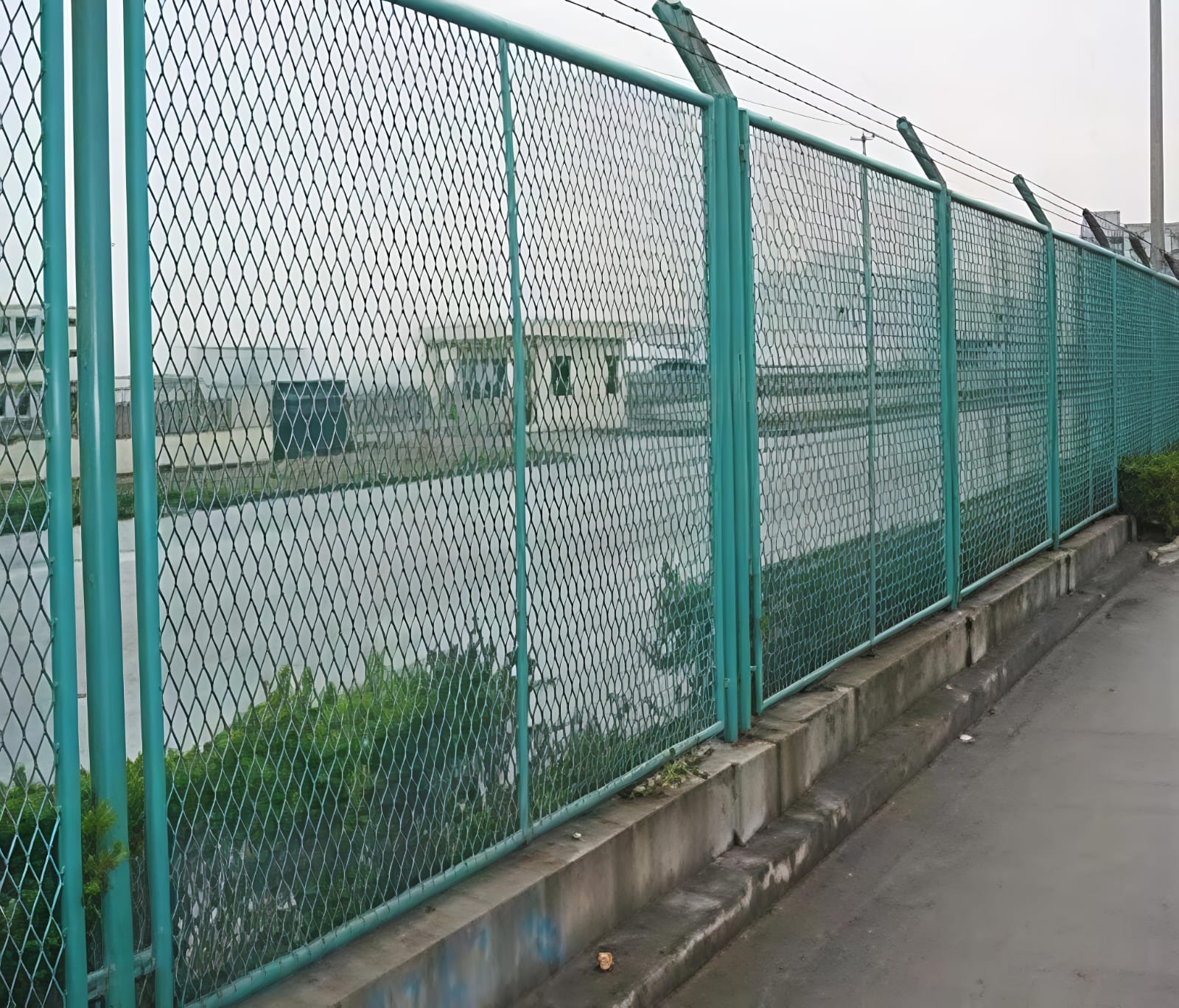
There are many uses in fencing work, which are as follows:
- Privacy and Security: The steel fence acts as a barrier that prevents seeing what is inside and also limits the entry of unauthorized persons, which enhances privacy.
- Aesthetic Appearance: The fence contributes to improving the appearance of the site through its distinctive designs and colors, making the property appear more attractive.
- Swimming Pool Safety: The fence prevents children and animals from reaching the pool area without permission, thus reducing accidents and maintaining safety.
- Noise Reduction: Strong fences act as a sound barrier that prevents external sounds from reaching the inside, providing a quieter environment.
- Plant Protection: Strong fences act as a barrier to the entry of people and animals into the plant area, which preserves them from damage.
- Property Value: A durable and attractive fence enhances the sense of security of the site and raises its value in the market.
Steps to install the fence from start to finish
The fence installation process begins with several important steps to fix it well, which are as follows:
- Fence Planning: Determine the function of the fence and learn about local zoning laws and aesthetic restrictions.
- Choosing Fence Materials: Choose high-quality materials to build a long-lasting fence.
- Gathering Tools and Supplies: Identify the materials needed to build the fence, which include a digger, hammer, posts, saw, tape measure, concrete, and protective equipment.
- Digging Post Holes: Place the correct design for the post holes to ensure the safety of the fence structure.
- Placing Fence Posts: After setting the line, fix each post individually and check the straightness of both axes.
- Installing Fence Panels: Install the fence panels and rails while maintaining their balance during installation.
- Installing the Fence Gate: Install the gate posts at a greater depth than the line posts.
- Final Maintenance: This includes sanding, sealing, the cleaning process after installation, as well as periodic maintenance.
How to maintain the fence to increase its lifespan
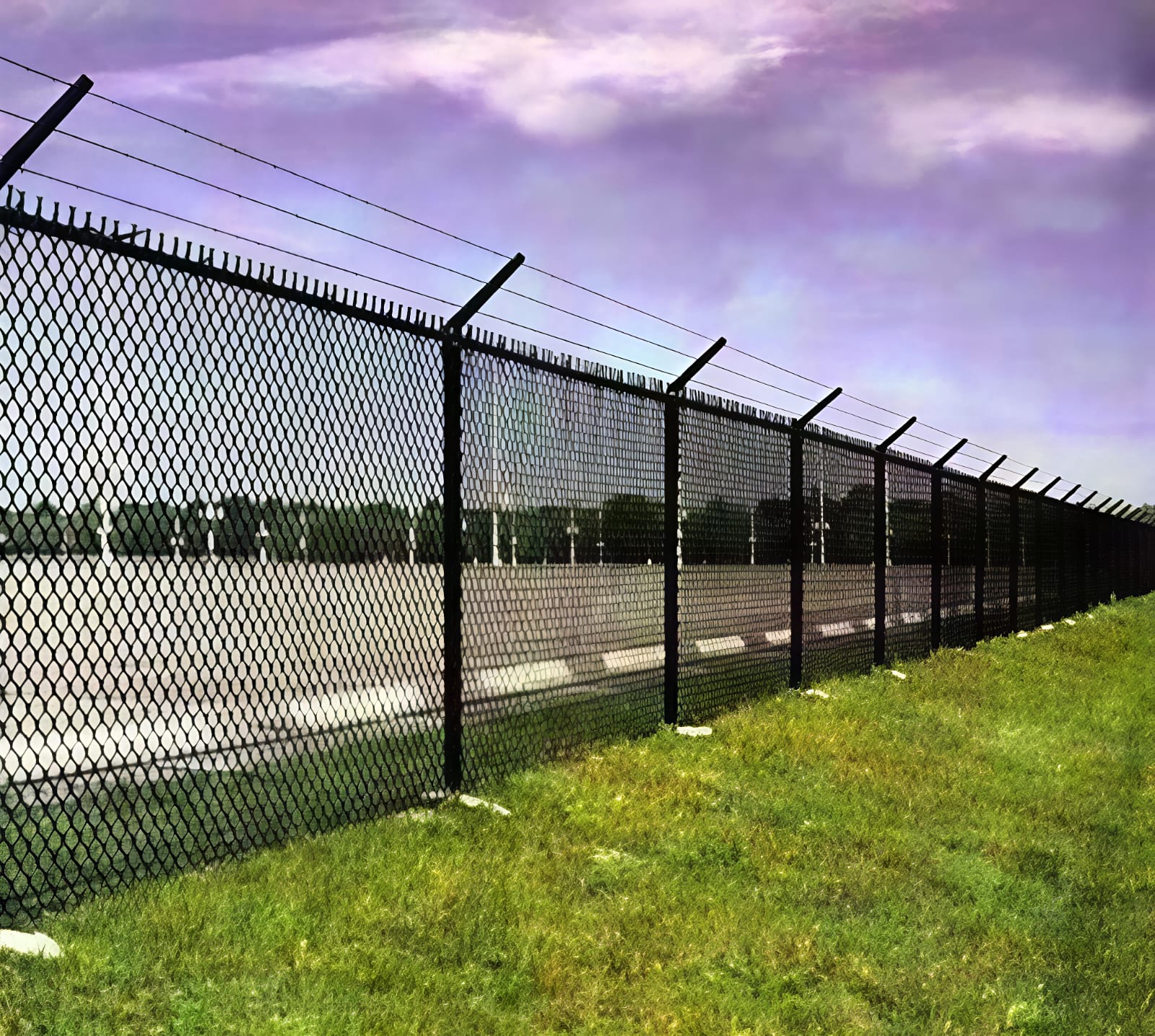
For the various uses of fencing work, it is necessary to preserve it and provide maintenance for it through the following:
- Periodic Cleaning Operations: During which all dirt and accumulations around the fence are removed.
- Regular Inspection Routine: Carry out regular inspections twice a year to solve problems of damage and corrosion in the equipment.
- Maintaining Posts and Panels: Ensure the presence of all posts, panels, and fasteners to provide stability for it.
- Hardware Maintenance: Ensure that the gate equipment is durable, with the necessity of changing it if it is damaged or exposed to rust.
- Ground Maintenance: Maintain proper drainage and soil levels around the fence posts.
Tips for choosing the right fence for your home
To choose the right fence, it is necessary to understand a number of criteria, which are as follows:
- Primary Purpose: Determine what you need from the fence, whether it is protection or an aesthetic appearance. Choosing the right material reduces maintenance costs and increases the life of the fence.
- Climatic Environment: Select the appropriate fence for your climatic environment and soil type.
- Building Materials: Determine the type of fence, whether it is wooden, vinyl, or metal.
- Budget: Set your budget to choose the types that suit it.
- Laws and Plans: Learn about the laws enacted in your country, which may determine the type of materials and the allowed height.
What is the best factory for fencing work?
Choosing the best factory for fencing work depends on several factors, which are:
- Quality of Materials: Make sure the factory uses the best materials and check the quality of internal manufacturing.
- Factory Experience: Choose a factory that has experience and a good reputation in manufacturing fences.
- Product Variety: Ensure that the factory offers many types of fences to suit different needs.
- Customer Service and Warranty: Make sure the factory provides you with warranties on products, as well as fast customer service to answer customer inquiries 24 hours a day.
Conclusion
The fence provides a strong protection system for various sites and projects. There are many types and uses of fences available that are used to execute the various fencing work that suits them according to the purpose of each type.
FAQs
What are the disadvantages of fences?
The disadvantages of fences are that they are prone to corrosion and rot if not well maintained. In addition, they have a high cost and also require a great understanding of their equipment to install and fix them.
What are the three types of fencing work?
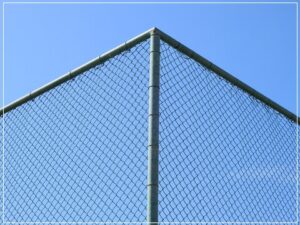
There are different types of fences, but the most important are the chain-link fence used for protection and security, the wooden fence which gives an aesthetic appearance, and the vinyl fence distinguished by its longevity.